Most nonprofits can't hire an AI team. TechStewards is the one they share.

Your steward is an AI engineer who builds the tools your mission needs and keeps them running after launch. You own everything. We are responsible for it, the way a bookkeeper is responsible for the books. Senior engineers who built AI at Google and the frontier labs supervise every steward. We do not run your email, your CRM or your help desk.

160 member organizations91% of tools still running at 18 months$1,200 a month, median

Vision A story told from 2029, to show what TechStewards could become.

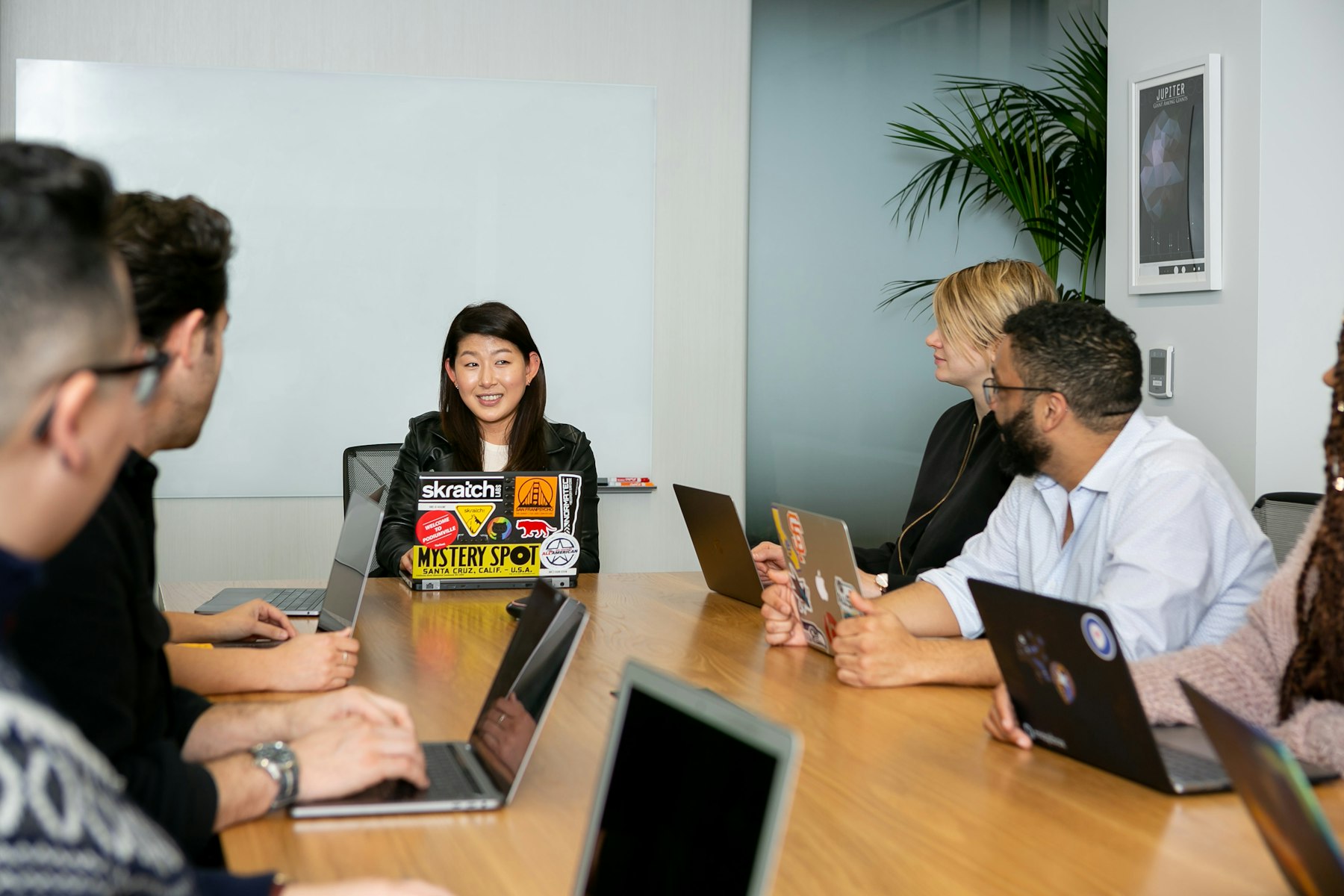
A small team around a wooden table with laptops, listening to one person speaking

The problem we were built for

Every nonprofit has a finance function, an HR function and a legal function, even if it is one part-time person. Few have a dedicated IT function. Almost none have an AI or R&D function. Large nonprofits hire one. The rest never will.

AI made building software cheap. It did not make the rest cheap: deciding what is worth building, defining it properly, and keeping it alive when models, prices and terms change every few months. Every accelerator, fellowship and credit program stops on the day the builder leaves.

The sector already has access to other fractional functions. Money and operations through fiscal sponsors like Tides or Community Initiatives. Access to specialists through Taproot and Catchafire. Software and IT tools from TechSoup. Learning through NTEN. R&D resisted a fractional approach until AI made it cheap to keep every tool handover-ready from day one.

Identifywhat is worth building
Definethe problem and the owner
Buildor tell you what to buy
Maintain and improvethis is where everything stopped

We do all four. Keeping a tool running and making it better is the core service. It is the one nobody funded.

of nonprofits use AI somewhere. Only 4% have it fully integrated
have an AI roadmap
of AI-powered nonprofits can fund their plan to scale. 90% have one
of foundations offer grantees no AI funding or support

The sector in 2026, before we started. Fast Forward's own 2026 report asked funders for "shared engineering talent" and "engineers placed inside grantee organizations." Sources at the bottom.

In their words

Real quotes, taken word for word from the reports cited at the bottom. Everything else on this page is a vision.

Funders
  • The cost of a prototype has effectively gone to zero.
    A funder, interviewed for Fast Forward's 2026 AI for Humanity Report
  • In some cases, we're funding talent directly, bringing people in temporarily to build systems, train teams, and leave. That's the biggest gap right now.
    A funder, interviewed for Fast Forward's 2026 AI for Humanity Report
  • Ongoing maintenance is the host's responsibility once the fellowship ends.
    Anthropic, Claude Corps host FAQ, 2026
  • Nearly 90 percent of foundation leaders report their foundations do not offer funding or nonmonetary support for AI use to grantees.
    Center for Effective Philanthropy, AI With Purpose, 2025
  • None of this is any single organization's job. That's what makes it philanthropy's.
    Fast Forward, 2026 AI for Humanity Report, on the shared commons
Nonprofits
  • Pro bono help exists, but what we need is someone embedded long-term, and we don't know how to pay for that.
    A nonprofit leader, interviewed for Fast Forward's 2026 AI for Humanity Report
  • We rely on tools that could double in price at any time. We have no control, and we become dependent.
    A nonprofit leader, interviewed for Fast Forward's 2026 AI for Humanity Report
  • Philanthropy is undercutting or funding either the minimum viable product or the end-state rocket-ship scale, but [not] realizing that there's a lot of investment that needs to go into experimentation and kind of the messy middle.
    A nonprofit leader, interviewed for Fast Forward's 2026 AI for Humanity Report
  • I would love for someone to come sit with my engineers, shadow them for a day … Right now, I don't have time to go explore all the tools.
    A nonprofit leader, interviewed for Fast Forward's 2026 AI for Humanity Report
  • It's much easier to talk about AI than to develop using AI … it's very difficult to put something in production with AI.
    Daniela Giugliano, Nova Escola, in Fast Forward's 2026 AI for Humanity Report

How it started

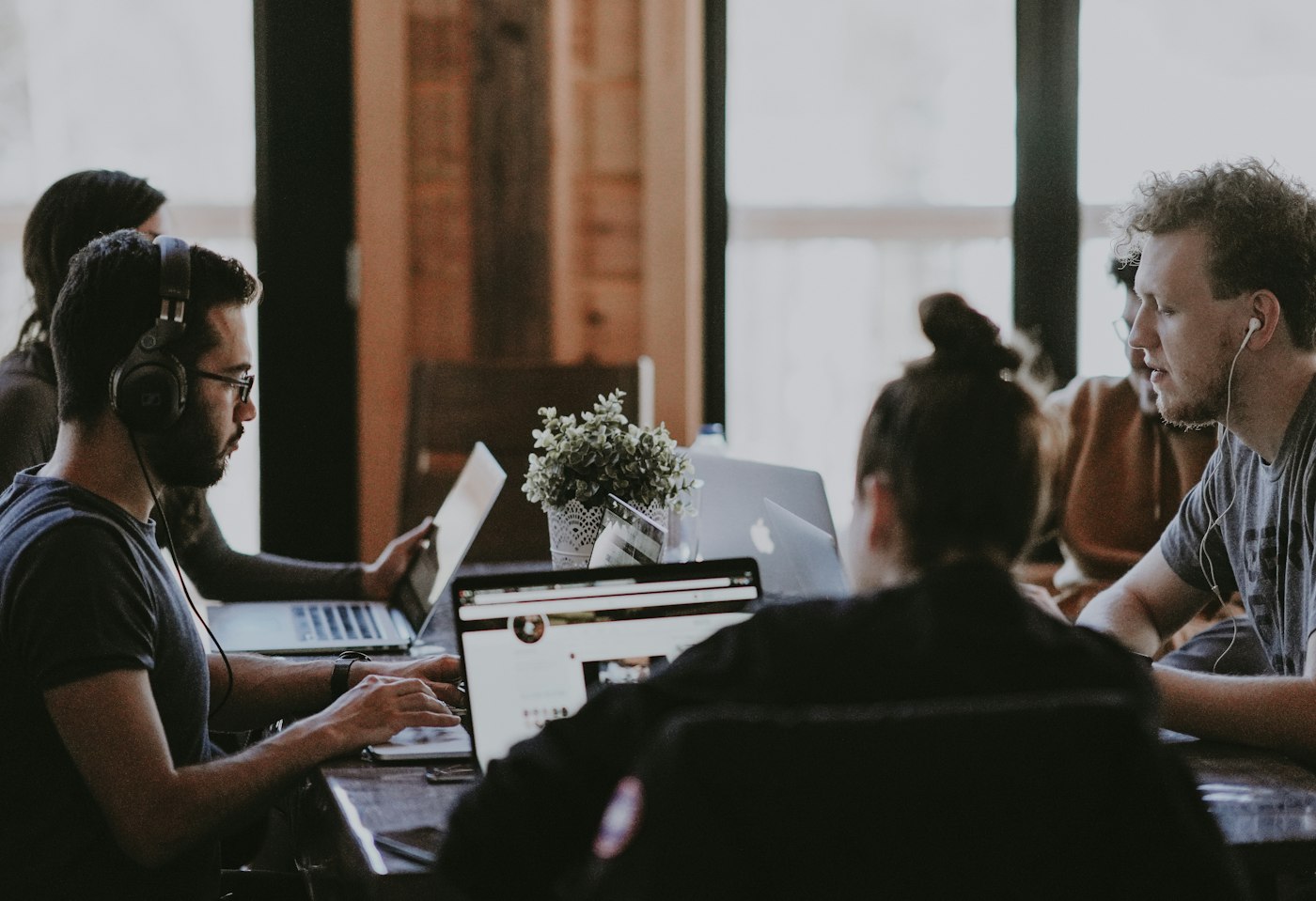
Five people working on laptops around a wooden table by a bright window
  1. September 2026. The gap had a name.

    Time on the ground with eight small nonprofits through 2025 and 2026 showed the same thing everywhere. People used AI, nobody owned it, and nothing built by a volunteer or a fellow survived their leaving. The sector shared money, people, software and learning, but not technology capability. The founding memo called it the missing institution.

  2. January to June 2027. The test.

    A six-month pilot, run as a fiscally sponsored project rather than a new organization. It built nothing new. It adopted nine AI tools orphaned by 2025 accelerator cohorts and kept them running, and scoped work for three organizations too small to have been in any cohort. Two funders paid about $250,000 between them. In June, eleven of the twelve tools were still in use, and every member had a named owner, a budget line and a roadmap. The funders said go.

  3. October 2027. The first Claude Corps cohort finished.

    Anthropic had committed $150 million to place 1,000 early-career builders in US nonprofits for a year each. The first hundred started in October 2026 and finished in October 2027, at around fifty host organizations. Hosts owned what was built and were asked for "a plan for sustaining the fellow's work." Those organizations now held custom tools built by someone who had just left. TechStewards hired its first six full-time stewards from that cohort, to maintain tools they or their peers had built, under senior supervision. People called it "the second year of Claude Corps," and that was how most people first heard of us.

  4. 2028. The evidence.

    Through the year the rest of the Claude Corps fellows finished, and the pattern from every accelerator and fellowship before them repeated at a larger scale. More tools built for nonprofits, fewer people left to keep them working. Each program ended with a sustainability plan on paper and nobody whose job it was to carry it out. Hundreds of organizations now held custom tools with no owner, no custodian and no home. "What Happened After," an independent evaluation of 84 funded AI pilots from 2024 to 2026, put a number on it: fewer than a third were still in use eighteen months on. The predictor was not build quality. It was whether anyone had been paid to own the tool. Three funders wrote stewardship into their grant templates within the year. Membership grew from 30 to 90. When two AI vendors changed their terms that spring, forty members moved to other providers in six weeks. Nobody lost a tool.

  5. 2029. Owned by members.

    In April, members voted to convert TechStewards into a cooperative, so the shared data the stewards had begun to hold would be governed by the organizations whose data it was. We declined two merger proposals and one invitation to become a foundation's internal team. Today we are 160 organizations and 22 stewards.

Numbers & benchmarks

160

member organizations. Median budget $640K. Seven in ten are under $1M.

Compare: Claude Corps hosts and most accelerators skip smaller organizations by design.

91%

of stewarded tools still in use 18 months after the builder left.

Compare: fewer than 1 in 3 funded AI pilots were still in use at 18 months, in our 2028 evaluation. In one 2025 accelerator, 22 of 22 organizations built a prototype. The write-up does not say who runs any of them now.

$1,200

per member per month, median, for a named steward one to two days a month.

Compare: six in ten AI-powered nonprofits spend under $150,000 a year on AI in total, so a steward fits inside that. A fractional CTO costs $5,000 to $15,000 a month. A junior technologist on staff costs $60,000 to $85,000 a year plus benefits. TechSoup's AI maintenance retainer is $499 a month for a few hours, with no ownership.

7%

fee on the grant flow, paid by funders as a line item, plus dues scaled to budget.

Compare: Tides Center charges 9% to share a finance function. Nobody calls that overhead.

100%

of members have a named owner, a budget line and a roadmap for their technology.

Compare: in 2026, 8% of nonprofits had an AI roadmap and 57% of executives had no budget for it.

4

AI vendors in use across members at the same time.

Compare: Claude Corps is single-vendor. Most credit programs are single-vendor. Independence is why members can move.

TechStewards costs about $26,000 a member a year to run well: a named steward, a second who knows the tools, a senior who reviews the work, and the evaluation that proves it holds. Dues cover the steward's time. Funders cover the rest, mostly through a 7% stewardship line on grants, the way they already pay fiscal sponsors. About 60% of our revenue is earned and 40% comes from funders, the same ratio as Tech Impact, the closest thing to us that already exists.

Success stories

The case-management tool that survived the AI honeymoon period

Two women talking across a small table in front of a large window
Who
A reentry services nonprofit in Ohio, supporting people after incarceration. $2.1M budget, 19 staff. Hosted two Claude Corps fellows in the first cohort.
What they had
In October 2027 the fellows left behind a case-manager triage tool that staff used every day, a written sustainability plan, and nobody who could read the code. In February 2028 the vendor changed its pricing and the tool's monthly bill tripled.
What the steward did
One of the fellows who built the tool joined TechStewards that October and became the organization's steward, two days a month. She documented the tool, added tests, and in March 2028 moved it to a second provider in nine working days. The organization kept the tool, the data and the workflow. The move was covered by dues.
What changed
The tool is in its third year. A different steward covers it now, which is the point: the organization no longer depends on one person. Their executive director sits on the cooperative's board.

The point. The Claude Corps host FAQ asks for a sustainability plan. This is what one looks like when someone is paid to carry it out.

The soccer club that did not need AI first

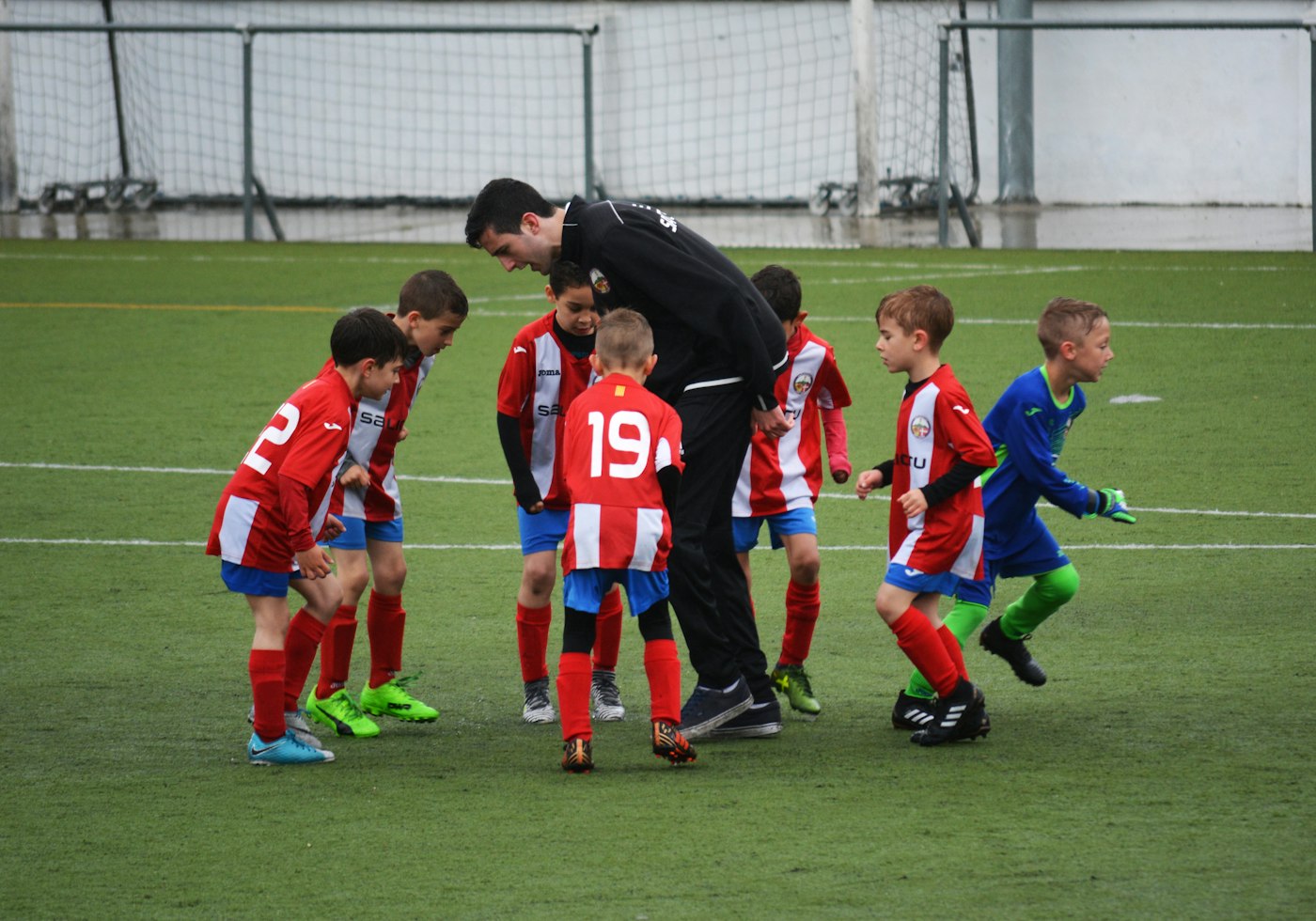
A youth soccer coach huddles with seven young players on a wet pitch
Who
An all-volunteer youth soccer club in California. About $180,000 a year, a new eight-person board, 200 families, many of them Spanish-speaking.
What they had
A grant to "adopt AI for communications." Seven channels (text, email, WhatsApp, Facebook, Zoom, a website, phone calls), no single place to collect dues, and a free Slack workspace nobody had adopted.
What the steward did
The first visit produced a one-page decision: no AI this year. The problems were plumbing and language. The steward wrote a one-page plan: one bilingual channel, one payment tool, what to buy and who to ask, and pointed the club to a volunteer IT service to set it up. Eight months later, with the basics working, the steward came back and built an AI drafting step for grant reports, with a checklist for checking every fact before it left the building.
What changed
Dues collection went from 60% of families to 94%. The grant was spent on what the club needed rather than what the grant said. The funder used the write-up to change its own application form.

The point. Most programs start at build. Our stewards are paid to start at identify, and to say no.

The funder whose pilots stopped hitting the wall

Three people reviewing printed documents together at a light wooden table
Who
A regional foundation giving about $40M a year. Sixteen AI-related grants in 2025, fourteen in 2028.
What they had
Of the sixteen tools funded in 2025, five were still in use two years later. Program officers could not evaluate an AI proposal, and grantees could not evaluate a vendor. The foundation had no way to fund maintenance without calling it overhead.
What the steward did
In 2028 the foundation wrote stewardship into its grant template as a 7% line, the way it already paid fiscal sponsors. Each of the fourteen grantees got a named steward from day one, before anything was built. TechStewards supplied the twelve diligence questions its program officers now ask of every AI proposal.
What changed
Thirteen of the fourteen tools from the 2028 cohort are in use today. The foundation's cost per surviving tool fell by about two-thirds. Two grantees turned out not to need software at all, and that money went elsewhere.

The point. 90% of foundations offer grantees no AI support. The ones that do mostly fund building. This funder funds owning.

Work with us

For nonprofits

Membership opens twice a year, in January and July. Dues are scaled to your budget, starting at $300 a month for organizations under $250,000. If your funder pays a stewardship line, dues are covered.

For funders

Write stewardship into your grant template as a line item, the way you already pay fiscal sponsors. We supply the wording, the diligence questions, and a steward for each grantee from day one.

For stewards

We hire people who have built something inside a nonprofit and want to keep it alive. Claude Corps alumni are our largest source. Senior practitioners supervise, and every steward covers six to nine members.

For researchers and evaluators

Everything we learn is published: the playbook, the diligence questions, and the survival data on every tool we steward, with member consent.

Common questions

For funders
What exactly am I paying for?

A named person responsible for keeping your grantee's technology working: identifying what is worth building, defining it, building or buying it, and keeping it alive after launch. You are paying for the years after the pilot, which is where most funded tools die.

How is this different from funding a pilot, a fellowship or an accelerator?

Those end on a date. Stewardship does not. The builder leaves, the steward stays, and the tool has an owner on the day after the program ends.

Why can a steward help an organization they have never met?

Every tool we steward has a Tool Passport: what it does, what data it touches, where the AI sits, what is likely to drift, and how to test it. AI made that record cheap to write, which is what makes a shared function work at all.

Why is stewardship a line item and not overhead?

For the same reason a fiscal sponsor's 9% is not overhead: it buys a function the grantee cannot run alone. Overhead is cost with no owner. This is a person with a name.

How much does it cost per grantee, and what does the 7% cover?

About $26,000 a year per organization to do well. A 7% stewardship line on the grant covers the steward's supervision, a second steward who knows the tools, evaluation and the playbook. The grantee's dues cover the steward's time, and if your line is large enough, dues are waived.

Can I fund stewardship for grantees that are not yet members?

Yes. Most members arrive this way. Write the line into the grant, and we onboard the grantee in the first sixty days.

Who owns the tools, the data and the code?

The grantee, always. We are responsible for them, like a bookkeeper is responsible for the books without owning them.

What if a grantee leaves TechStewards, or if TechStewards closes?

The grantee keeps everything, with a runbook, tests and documentation written so anyone competent can pick it up. If we close, every tool is already in a state to be handed over. That is the point of the work.

How do you decide what not to build?

The first question is always whether the problem needs technology at all. About two in seven engagements end with “not this, not now,” and that money goes back to the mission.

What do I get back: what reporting and evidence do you provide?

A yearly report per grantee: which tools exist, whether they are in use, what they cost, who owns them. Across all members, an independent evaluation of tool survival, published every year.

Can you help my program officers evaluate AI proposals?

Yes. We publish the twelve questions we ask of every proposal, and we review AI proposals for funders as a service.

Are you tied to any AI vendor?

No. Members use four vendors today. When a vendor changes its terms, we move members. Independence is the reason we can.

Who governs TechStewards, and who do you answer to?

A board elected by the member organizations, with two funder seats and two independent seats. No funder holds more than a fifth of our revenue, so no funder can steer us alone.

For nonprofits
Who is this for? Are we too small?

Small is the point. Seven in ten members have budgets under $1M, and most have no technical staff. If you have a leader who will show up once a month, you are not too small.

What does a steward actually do each month?

One to two days on your organization: keeping the tools we built or inherited running, watching your AI vendor costs, fixing what breaks, and one call with the person on your side who owns technology. Once a year, a roadmap and a budget line.

How much does it cost, and what if our funder pays?

Dues scale to your budget, from $300 a month for organizations under $250,000. If a funder writes a stewardship line into your grant, dues are covered.

We already have tools someone built for us. Can you take them over?

Yes. That is how we started. We inventory what you have, decide with you what is worth keeping, and take responsibility for the rest.

Do we have to use a particular AI vendor or platform?

No. We work with what you have, and we will move you if a vendor's terms get worse. We do not take money from vendors.

Who owns our data and our tools?

You do. All of it, always. We hold the responsibility, not the ownership.

What happens when our steward leaves?

A second steward already knows your tools, because every member has one from day one. The handoff takes days, not months, and you will have met them before.

What is a Tool Passport?

One short document for every tool we steward: what it does, what data it touches, where the AI sits, what is likely to drift, and how to test it. Your steward writes it in the first weeks and keeps it current, so the next one reads it instead of starting over.

Can you help us decide whether we need AI at all?

Yes, and often the answer is not yet. Many members needed working email, shared files and one payment path before any of this. We tell you so, point you to who does that, and come back when the basics are in place.

Do you do IT?

No. If you need a CRM, a new email system or a website, we will tell you and point you to someone who does that. We build what does not exist yet and keep it working.

How fast do you respond when something breaks?

Within one business day, from a steward who knows your setup. Vendor changes and outages go to the whole team, not just your steward.

What do we have to do on our side?

Name one person who owns technology inside your organization. Show up to the monthly call. Tell us when something changes. That is all.

How do we join, and how long is the commitment?

Intake opens in January and July. The agreement is one page, one year at a time, and you can leave with everything you own and a handover pack.

Can our steward train our staff?

Yes. Leaving skills behind is part of the job. Every engagement includes training the person who owns technology on your side, and staff sessions when they help.

Who we are

22 stewards, 4 senior practitioners, a small operations team, and a member-elected board of seven. Most stewards are early in their careers, and most came through Claude Corps. Every senior practitioner has run technology inside a nonprofit for at least ten years.

Our north star

Empower nonprofits of any size with robust AI tools that advance the mission and outlast the grants.

  1. A steward every nonprofit can afford.

    Over time, codify best practices and recurring operations and hand the routine to software: the checking, the testing, evaluating a move when a vendor changes its rules. One steward can then look after fifty organizations instead of seven. A two-person nonprofit gets a steward for the price of a subscription. A funder's grant reaches the organizations it never could.

  2. Shared tools, owned by the sector.

    The same needs repeat across members: intake, case notes, eligibility, reports. TechStewards is the natural hub that sees what the sector needs on a daily basis. Build them once, share them with everyone: a starter set of AI tools a nonprofit can pick up on day one, owned by the members, kept alive by a steward. Fiscal sponsors already do this for financial operations and legal. This is the box for AI.